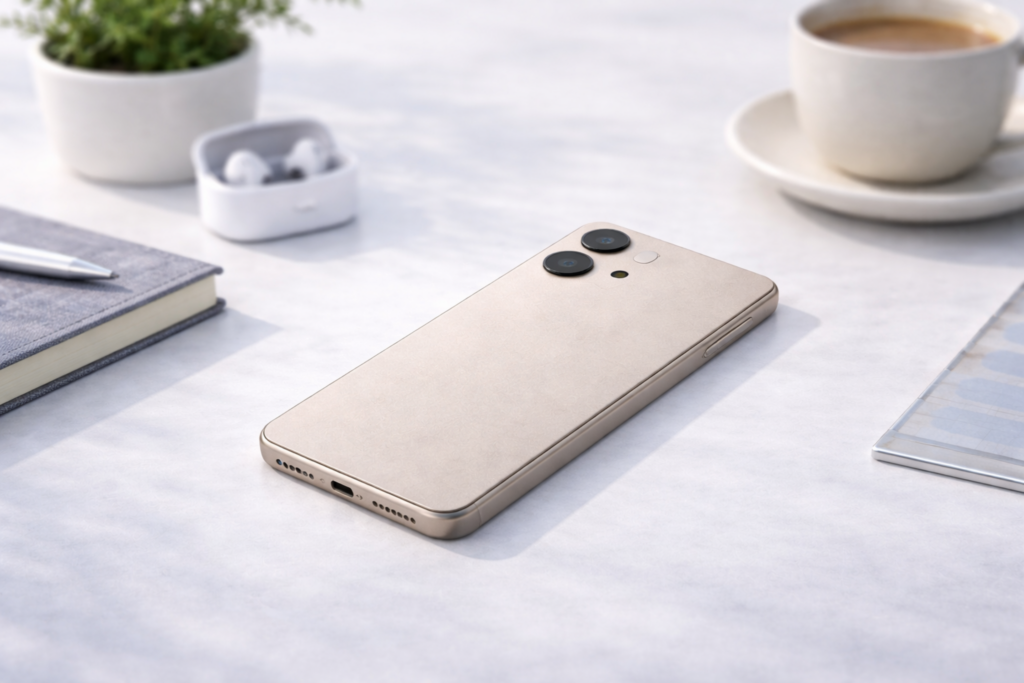
The Galaxy S26 matters because it is the model most buyers should compare against everything else before spending more. If a phone this size already covers your camera, battery, and performance needs, the rest of the lineup has to earn every extra dollar.
| Starting price (US) | $899.99 |
|---|---|
| Chip | Snapdragon 8 Elite Gen 5 for Galaxy |
| Display | 6.3-inch Dynamic AMOLED 2X, 120Hz |
| Battery | 4,300mAh typical |
| Rear camera | 50MP wide + 12MP ultra wide + 10MP 3x telephoto |
| Storage | 256GB / 512GB |
Quick take
Consider this model if its strengths match the routine you actually repeat every week.
Skip it if this article’s highlighted hardware advantages do not match the way you actually use a phone every day.
Why this model works for so many buyers
The Galaxy S26 makes sense because it solves the easiest part of premium-phone buying: not everyone wants a huge device, and not everyone needs the Ultra story. If you want a flagship that feels balanced instead of dramatic, the standard S26 is usually the cleanest answer.
Camera and daily shooting
Its camera strength is not about turning every buyer into a hobbyist photographer. It is about being capable enough that normal people rarely feel blocked. Casual travel shots, family pictures, social uploads, and quick zoom needs are all covered without making the phone feel oversized.
Battery and size feel
This is where the base model earns loyalty. A phone that feels easy to carry and easy to use with one hand often ages better emotionally than a larger phone that looked more impressive on launch day.
Who should skip it
Skip the S26 if your main complaint is already screen size or battery headroom. That usually means you are really looking at the S26+ or Ultra, not the base model.
Related reading
Practical checks before narrowing the shortlist
When reading Galaxy S26 Review: The Safest Premium Base Model for Most Buyers, it helps to look beyond the model name and headline specs. This review is most useful when the product is judged against the buyer’s real routine, not as a generic ranking entry.
The main decision points are battery life, camera habits, and storage. Those factors change how the same product feels in daily use, especially when the buyer already owns devices or accessories that pull them toward one ecosystem.
Where regrets usually come from
Most regrets do not come from a product being bad. They come from paying for strengths that do not match the routine. Checking carrier plan and long-term value before buying makes it easier to separate a genuinely useful upgrade from a spec that only looks impressive on paper.
How to compare similar options
If two options look close, decide first what you can give up without frustration. That usually reveals whether the higher model is justified or whether the safer purchase is the simpler one that fits the actual use case.
Bottom line
The Galaxy S26 is the premium default for buyers who want the least complicated answer: strong enough, compact enough, and easy to recommend.
What changes the value of Galaxy S26
The cost angle changes the recommendation. If whether storage upgrades, carrier terms, trade-in value, and two-year ownership cost make sense matters in the buyer’s routine, the upgrade may be easy to defend. The useful question for Galaxy S26 is how well it handles two-year cost, camera habits, pocket comfort, battery rhythm, and storage needs after the first week, when novelty matters less.