Galaxy Tab S11 Review | When the display and pen experience matter more than ecosystem habit
Galaxy Tab S11 sits in a part of the tablet market where the buying decision is less about one benchmark number and more about what kind of buyer this device is really for. At $899.99, it is not enough for the product to look good on a spec card. The value needs to connect to a real routine, a real platform preference, and a real set of tradeoffs. That is why this review is not built around generic praise. It is built around fit.
Why Samsung buyers only come here when the use case is serious
Galaxy Tab S11 sits where Samsung’s tablet story becomes fully flagship. That matters because buyers do not usually come here just to get a larger Android screen. They come here expecting a high-end display, a premium pen experience, strong multitasking, and the feeling that Android can offer a serious top-tier tablet, not just a cheaper alternative to an iPad.
Its lineup role is therefore clearer than it first appears. This is not the practical FE model for buyers who mainly want value and flexibility. It is the product for people who want Samsung’s best mainstream tablet experience and are willing to pay for a more polished class of hardware and daily use.
What makes Tab S11 feel worth considering at flagship pricing
Most buyers land on the Tab S11 because they already know the screen, pen, and Android-style freedom matter to them more than simply joining Apple’s ecosystem. Some are coming from older Galaxy Tabs. Others are iPad cross-shoppers who want to know whether Samsung’s flagship now feels convincing enough to choose on its own terms.
It also gets attention from buyers who value bundled pen use and larger-screen flexibility without wanting their tablet to feel limited by a more locked-down workflow. That is where Samsung keeps its appeal. The Tab S11 is not just a premium spec sheet. It is a different answer to how a tablet should feel in everyday ownership.
Where the premium shows up in daily use
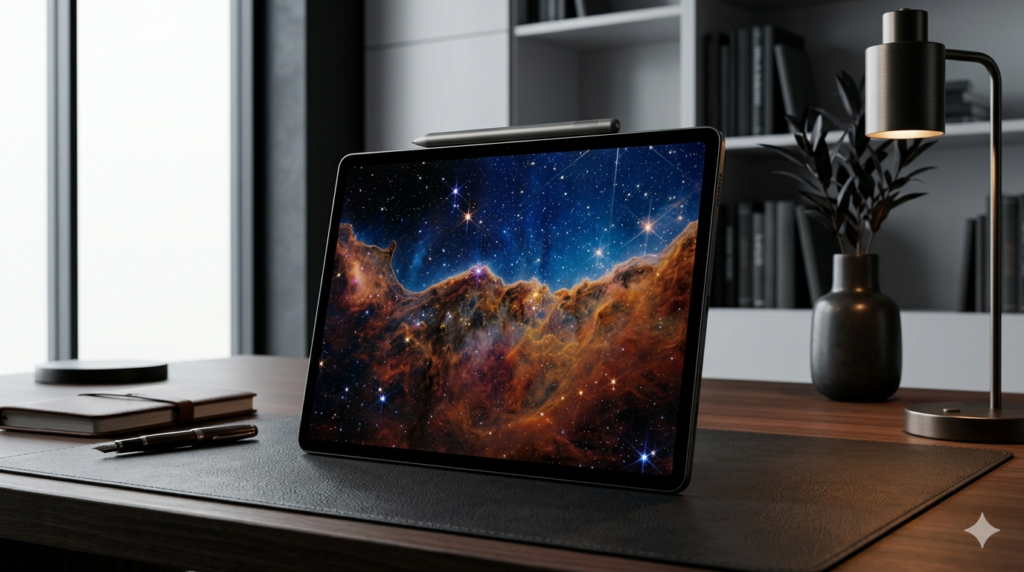
Its strengths are easy to feel in daily use. The display is usually one of the main reasons people remember this class of Galaxy Tab, and the overall Samsung pen-and-multitasking experience gives the device a more expansive character than many tablets at lower tiers. Media, note-taking, split-screen use, and big-screen browsing all benefit from that flagship posture.
There is also a confidence to buying a tablet that clearly knows what it is. The Tab S11 makes sense for people who want a premium Android tablet on purpose, not as a fallback. When the buyer fit is right, it can feel more satisfying than a technically strong device that still seems unsure about its own identity.
Where the premium becomes harder to defend
The limitations appear when the buyer’s habits are already deeply Apple-shaped or when the premium jump is harder to justify than the buyer expected. A great Samsung tablet does not automatically dissolve platform habits built around iPhone, Mac, or Apple-first app routines. That tension can overpower the hardware story if it is ignored.
There is also the value question. Flagship Android tablets have to feel meaningfully better, not just better on paper. If your usage is light enough that an FE-class device would already satisfy you, the Tab S11 can drift toward overbuying. Premium works best when the premium is visible in the routine, not merely in the product page.
Who gets real flagship value from it
It fits buyers who actively want a premium Android tablet, care about Samsung’s display and pen experience, and expect to use a larger screen for notes, multitasking, media, and daily productivity. It also makes sense for Galaxy phone users who want their tablet and phone to feel like parts of the same environment rather than adjacent gadgets.
For those buyers, the Tab S11 often feels more direct than the usual cross-platform debate suggests. They are not asking whether Samsung can imitate an iPad. They are asking whether Samsung’s own tablet strengths are worth paying for. In that context, the answer can be very persuasive.
Who is more likely to admire it than need it
Buyers whose digital life already revolves around Apple devices should be careful unless they have a strong reason to prefer Samsung’s hardware and workflow. Premium hardware is not enough to erase a platform mismatch, and that mismatch tends to show up more after purchase than before it.
It is also not the cleanest choice for buyers who simply want a “good tablet” and have no clear love for Samsung’s premium tablet experience. In that case, the FE line or a different class of tablet can often feel more proportionate. The Tab S11 is strongest when the buyer’s reasons are specific.
The question that exposes whether flagship Android is really the goal
The most useful question is whether you want a flagship Android tablet because its way of working genuinely suits you, or whether you are mostly attracted to the idea of owning a nicer tablet. The Tab S11 is worth it in the first case far more often than in the second.
That question cuts through a lot of vague praise. A product like this should not be bought on general “premium feel” language alone. It should be bought because the screen, pen, multitasking, and Samsung ecosystem fit the way you actually plan to use it.
What to compare next
The best next comparison is usually one step down inside Samsung’s own range and one step across to the iPad tier you were considering. The internal comparison tells you whether the flagship jump changes enough. The cross-platform comparison tells you whether you want Samsung’s style of tablet or simply the strongest premium option available.
If the Tab S11 still looks compelling after both checks, that is a strong sign the fit is real. If not, the reasons usually become visible quickly: either the FE class was already enough, or the Apple ecosystem pull was stronger than the hardware attraction.
When Galaxy Tab S11 earns its place as a main tablet
Galaxy Tab S11 is at its best when the buyer wants a premium Android tablet on purpose and can explain why Samsung’s screen, pen, and multitasking strengths matter in daily life. In that context, it feels like a confident flagship rather than a reaction to Apple’s lineup.
Galaxy Tab S11 earns its place when the buyer wants a premium Android tablet on purpose and can explain why Samsung’s screen, pen, and multitasking strengths matter in daily ownership. Without that clarity, the premium becomes harder to justify.
What to read before you decide