
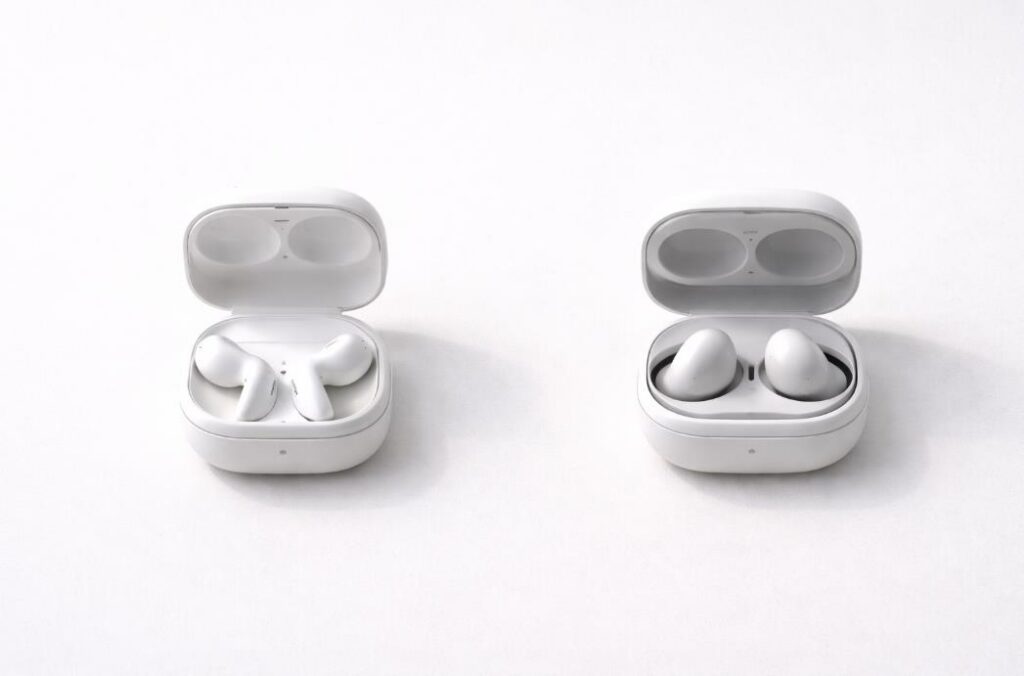
The open-ear vs in-ear debate is usually framed as a comfort issue, but that is only part of the story. The more useful question is where you listen, how long you wear earbuds at a time, and whether you care more about awareness or isolation. Once you answer that, the category chooses itself.
- Open-ear is usually easier for long casual wear.
- In-ear is better when you want stronger isolation or more secure fit.
- For workouts, the answer depends on movement intensity and sweat tolerance.
- There is no universal winner—only a better match for your routine.
Who open-ear earbuds are for
Open-ear earbuds suit people who want a lighter, less intrusive experience. They are great for office listening, podcasts, calls, and mixed-use days where music is only part of the picture. They also work well for people who dislike the plugged-up feeling of silicone tips.
Their biggest strength is that they disappear more easily over time. If you wear earbuds for hours rather than minutes, that matters. The trade-off is that you give up some bass depth and all meaningful isolation.
Who in-ear earbuds are for
In-ear earbuds are the better choice when you want a more stable seal and a more immersive sound. They isolate outside noise better even before ANC turns on, and they generally sound fuller because the fit lets bass come through more effectively.
They are also the safer choice for commuters and buyers who know they want serious ANC. The downside is that some buyers never fully get used to the pressure of a sealed fit, especially over longer sessions.
Which style is better for workouts
For light walking or casual movement, both styles can work. For more intense exercise, in-ear earbuds usually win because they stay anchored more firmly. That matters when movement gets sharper or more repetitive.
For HIIT workouts or running, in-ear wins clearly — the seal keeps the earbud in place when your head moves. For a long outdoor walk or cycling where road awareness matters, open-ear is safer and often more comfortable over 90 minutes or more.
Open-ear designs still make sense for outdoor training if awareness matters more than total lock-in. But for gym sessions, interval training, or anything that involves heavier movement, in-ear models are the safer pick.
Long-session comfort: where the real difference shows
This is where open-ear models often pull ahead. Even when two earbuds look equally light on paper, the one that does not seal the ear feels easier to live with for long mixed-use days. If you take calls, watch videos, and listen to background music throughout the day, that softer fit becomes a major advantage.
In-ear comfort is more individual. Some people love the secure feeling. Others start noticing pressure after an hour or two. That is why comfort is less about ear shape alone and more about how long you expect to keep them in.
How to choose between them by budget
At lower prices, open-ear models win on ease of use while in-ear models win on feature density. At mid-range prices, in-ear models usually offer stronger overall value because better ANC and better sealing show up more clearly there. At premium prices, the decision becomes more lifestyle-driven: open-ear for long wear and ease, in-ear for maximum immersion.
If you are stuck, think about what would annoy you more: ear fatigue or outside noise. That one answer usually points you to the right category.
Model shortlist, spec comparisons, and shopping links — all in one place.
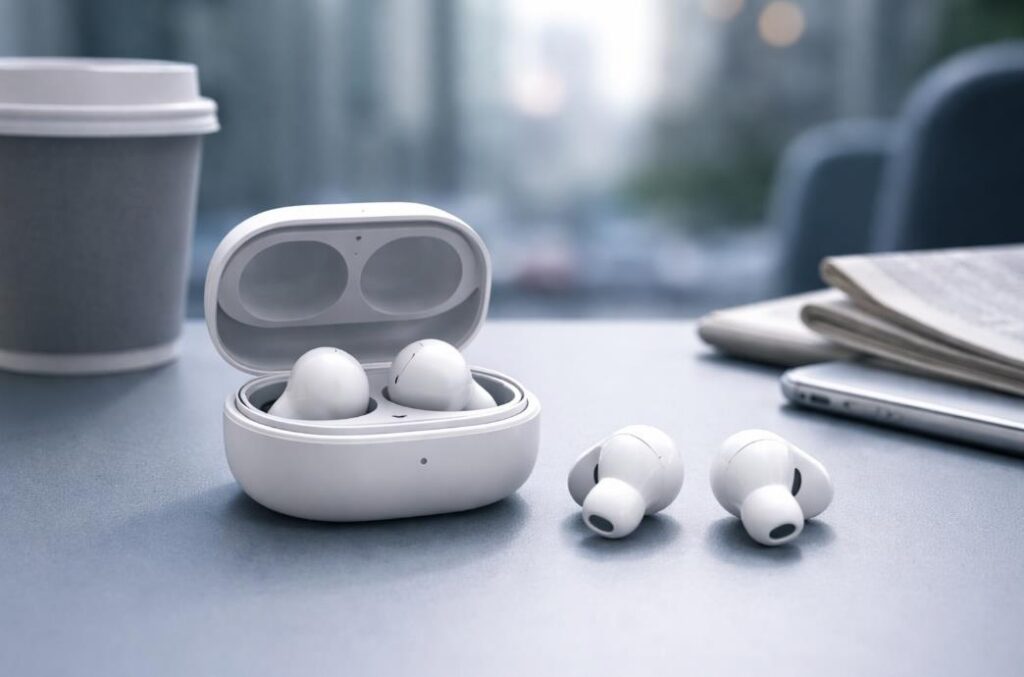
![무선이어폰 예산별 추천 [2026] — 2만 원대부터 35만 원대까지](https://pyjdeals.com/wp-content/uploads/2026/03/earbuds-04-post-7813-7813-1024x682.jpg "Best Wireless Earbuds by Budget in 2026: Entry, Mid-Range, and Premium")