![에어팟 4 기본형 리뷰 — 노이즈캔슬링 없어도 살 이유가 있습니다 [2026]](https://pyjdeals.com/wp-content/uploads/2026/03/earbuds-13-post-7822-7822-1024x682.jpg)
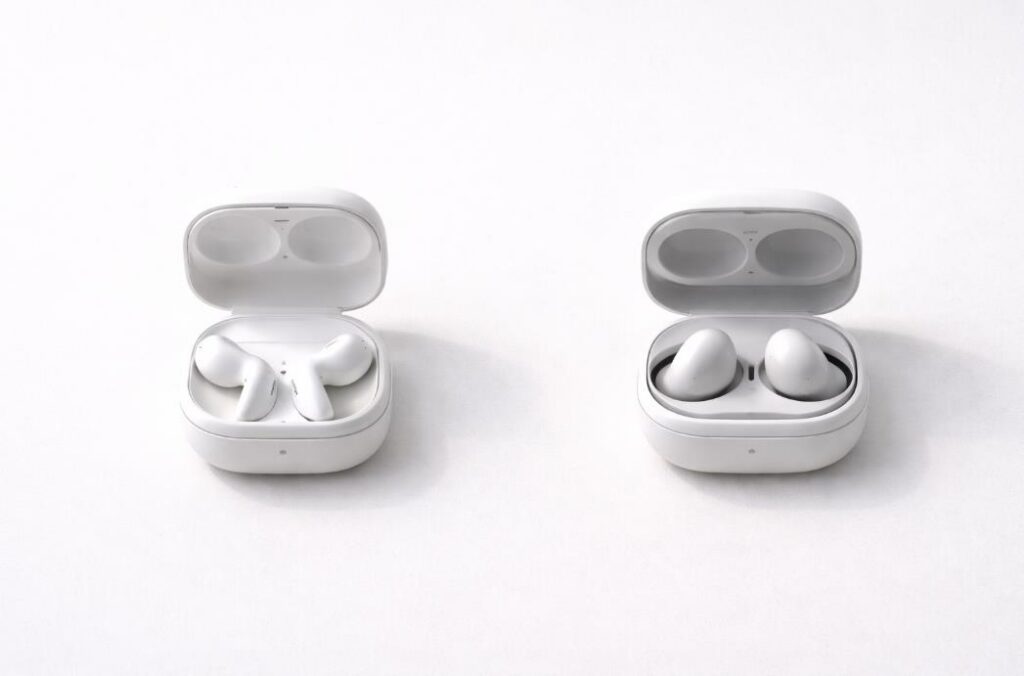
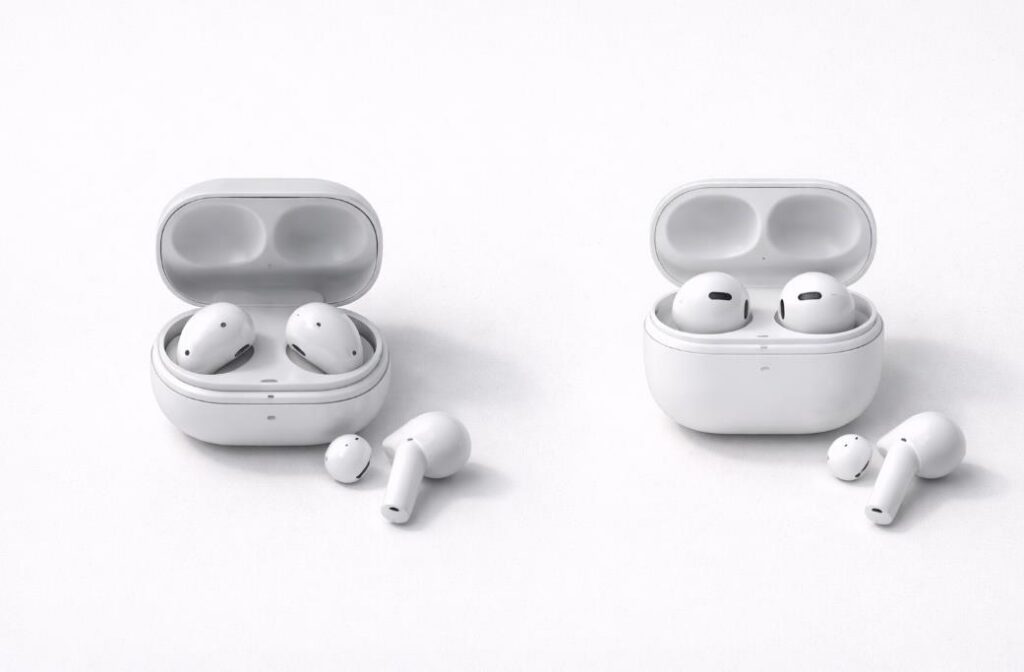
AirPods 4 can look awkward on paper because it gives up the headline feature many buyers now expect: noise cancelling. But that only makes it the wrong product if you actually need ANC every day. For a lot of iPhone users—especially indoor listeners and comfort-first buyers—the standard version is easier to justify than it first appears.
- Best for iPhone users who value light fit and easy daily use.
- The lack of ANC matters most on loud commutes, not quiet indoor routines.
- Sound is balanced and easygoing rather than immersive.
- This is a stronger buy for home and office use than for train and flight use.
Positioning: what the standard model is actually for
The standard AirPods 4 makes sense once you stop comparing it only against ANC-equipped siblings. It is designed around lower pressure, simple setup, and easy all-day use. That is not a weak identity—it is a very specific one.
| Spec | Detail |
|---|---|
| Price | $129 |
| Fit type | Open-ear |
| ANC | None |
| Battery | 6h / 30h with case |
| Codec | AAC, SBC |
| Water resistance | IP54 |
| Chip / BT | Apple H2 |
| Best for | iPhone users — indoor use, calls, comfort-first daily listening |
| Skip if | You commute in loud environments or want sealed immersive sound |
Buyers who never loved sealed earbuds or who spend most of their listening time indoors are the natural audience.
Comfort and open-ear advantages
Comfort is where the standard model makes its best case. It is easy to put in, easy to forget about, and less likely to create the tired, plugged-up feeling some users get with in-ear tips.
That makes it especially good for mixed-use days with calls, videos, work, and background listening rather than one long commute-heavy listening block.
Sound quality
The sound is balanced, clear, and easy to live with. It is better understood as an everyday earbud than a music-first showcase product. Voices and casual listening suit it well, and the overall tuning feels intentionally approachable.
What it does not do is produce the more sealed, weightier presentation that people often associate with more immersive earbuds.
How much does the lack of ANC actually hurt?
It depends entirely on your routine. In quiet rooms and calmer work settings, the absence of ANC often matters less than people expect. On trains, buses, and flights, it matters exactly as much as you fear.
At a quiet home office desk, you will not miss ANC at all. On a 35-minute subway ride, you will notice its absence immediately — background rumble forces the volume up, and the commute feels more demanding. That single data point tells you everything about whether this model fits your routine.
That is why the model feels smarter for indoor iPhone users than for commute-heavy buyers. Context decides the value here.
Battery and Apple-side convenience
Battery is good enough for everyday use, and Apple’s ecosystem smoothness remains one of the product’s biggest strengths. Easy pairing, familiar controls, and low-friction setup keep the product feeling coherent.
That coherence is part of why many buyers prefer it over technically stronger competitors.
Who should buy it
Buy the standard AirPods 4 if you mostly listen indoors, value comfort first, and want the easiest everyday iPhone earbud without paying for commute-focused features you rarely use. Skip it if you need isolation on trains or want a more immersive sound.
For the right buyer, this is not the stripped-down option. It is the more sensible one.